
Saving the Planet With Community — Newsletter, September 30 2026
This is the first of a two-part series featuring Sunnyside member Jo and her perspective on environmental conservation, climate change, and the role community can play in creating a better future.
In this first article, Jo shares some of the challenges—and hope—that come with caring deeply about our changing planet, and why cohousing and Sunnyside Village feel like part of the solution. Next month, we’ll broaden the lens to explore some of the exciting environmental and conservation work happening right here in Snohomish County and around our future Sunnyside home.
Moving Into Cohousing Is a Good Start
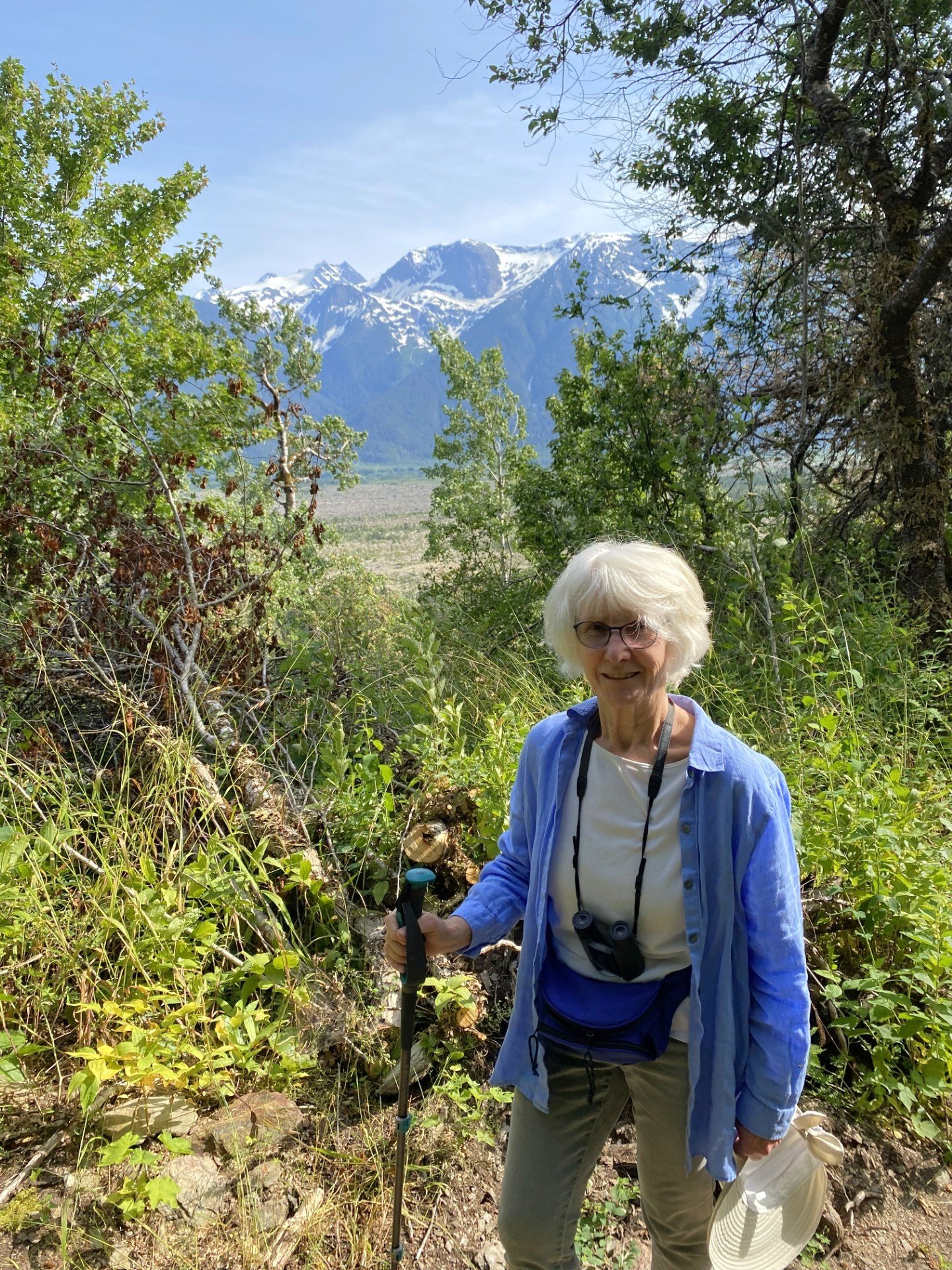
For Sunnyside member Jo, caring about the environment means holding two realities at once: recognizing the seriousness of climate change while continuing to believe that our choices—especially the choices we make together—can make a difference.
Jo has spent years following environmental and climate issues, and she doesn't minimize the challenges. She points to warming oceans, stressed salmon and orca populations, forest loss, drought, wildfire, flooding, and habitat destruction as interconnected signs of a changing climate.
It can be a lot to take in.
For Jo, one way of coping is staying informed. She finds reassurance in knowing that knowledgeable and compassionate scientists around the world are working to understand what is happening, help communities adapt, and reduce future harm. Knowledge, for Jo, can also point toward action.
Equally important is finding people willing to talk honestly about the fear and grief that can accompany climate change. Jo has found that through Collapse Club, a community where people share their concerns and experiences. Along with Sunnyside, it has become an important community in her life.
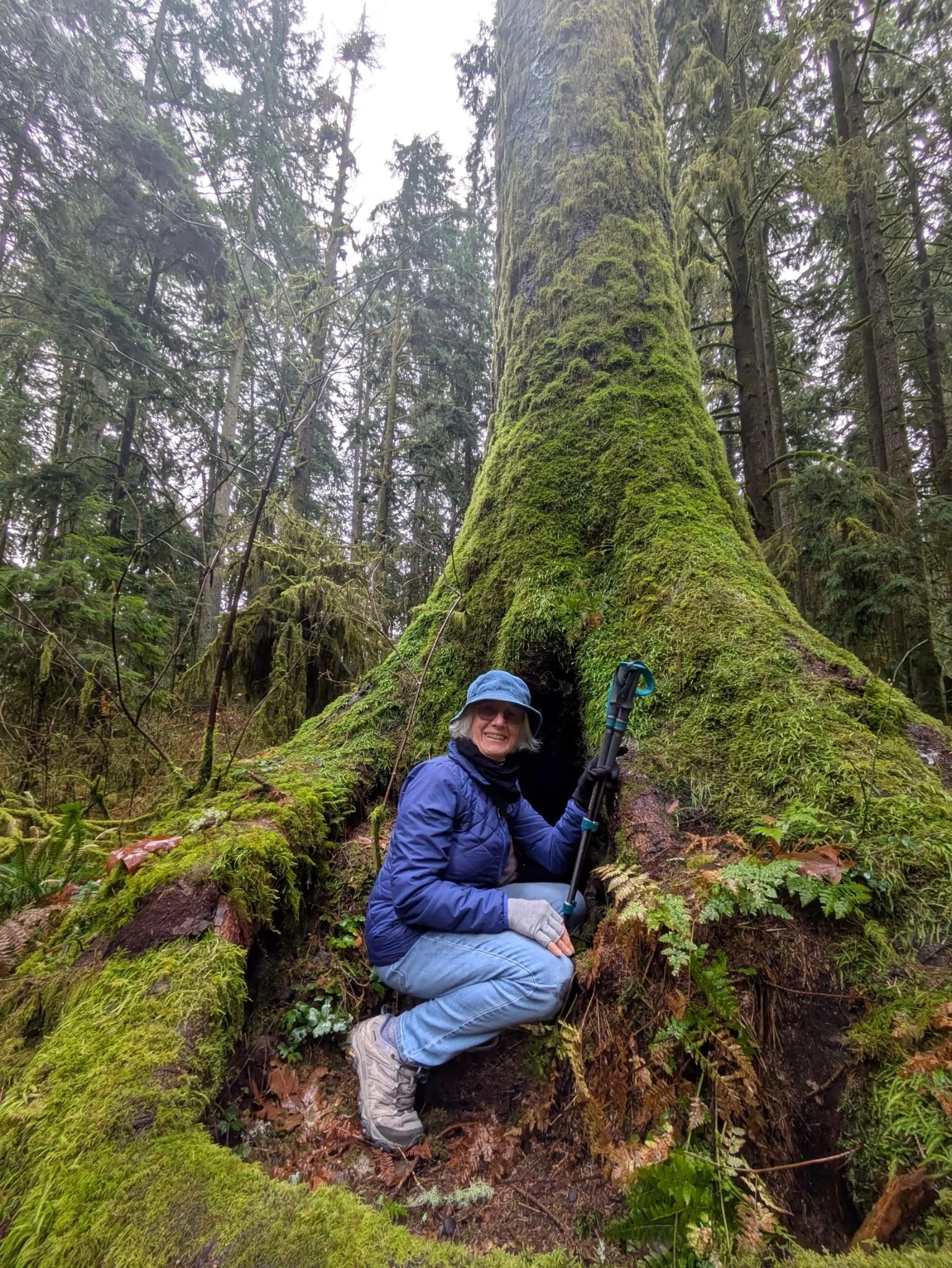
And sometimes she simply needs to put climate science aside. That's where art comes in. Jo paints watercolors, watches artists demonstrate their techniques, and reads. Creativity gives her a place to step away from troubling headlines and immerse herself in something beautiful.
She also sees reasons for hope close to home. Restoration projects along the Snohomish River are reconnecting rivers with their floodplains and rebuilding habitat. Researchers are studying the health of Puget Sound and the Salish Sea, while communities explore ways to become more resilient to climate change.
For Jo, these efforts demonstrate that responding to climate change isn't only about enormous global problems. It's also about what happens in our own communities.
That's one reason Sunnyside Village fits so naturally with her environmental values.
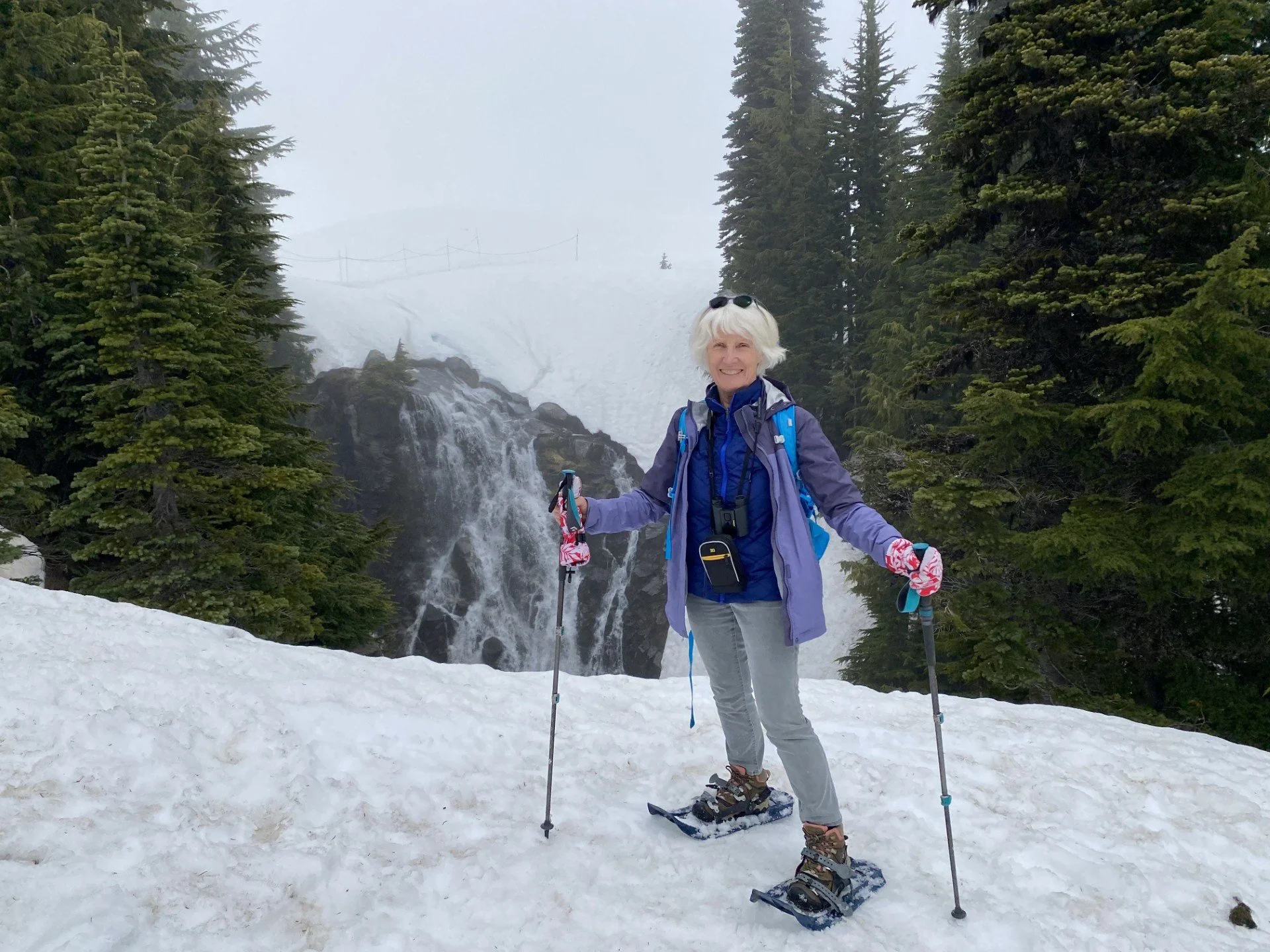
Cohousing gives us opportunities to make choices collectively that can be difficult individually: conserving resources, reducing energy use, sharing rather than duplicating things, growing food, and learning from one another. Sunnyside is planned as a “Fossil-Fuel-Free” community, with all-electric cottages featuring heat pumps and induction stovetops, along with EV charging stations.
Jo also reminds us that even clean energy comes with environmental costs. Washington's hydroelectric system provides low-carbon electricity, but dams have dramatically altered river ecosystems. Electrification is important, but so are efficiency and reducing how much energy and how many resources we consume.
That idea fits particularly well with cohousing. Sustainability isn't just about installing the right technology. It's also about discovering what becomes possible when neighbors work together.
As Jo puts it: “Moving into cohousing is a good start!!!”